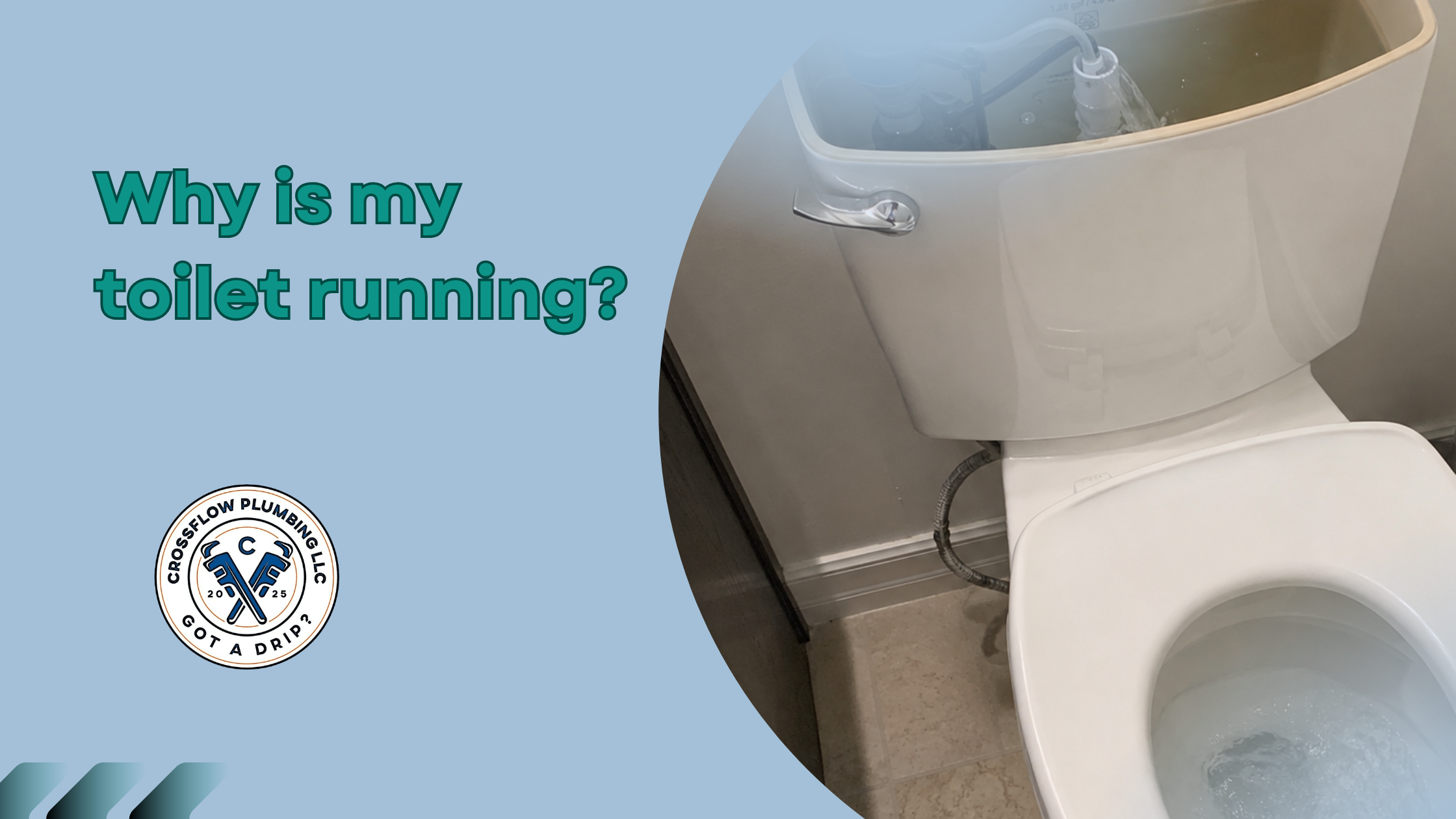
Why is my toilet running? If you happent to live around Boise, we get that question quite often, and luckily, it is usually just a simple fix!
A running toilet usually stems from a worn flapper, faulty fill valve, or misadjusted float. It wastes hundreds of gallons daily, raising utility bills across Eagle, Meridian, and Boise homes. Most fixes take minutes, but persistent running signals a deeper issue. Crossflow Plumbing diagnoses and repairs it fast, restoring proper tank seal and water flow.
“A running toilet is one of those problems that seems small until you realize how much water it can waste. We always tell homeowners to address it early. Most of the time it is a simple repair, and taking care of it now can prevent a higher water bill or a bigger plumbing problem later.”
Christopher, Owner of Crossflow Plumbing LLC
Why Is My Toilet Running Constantly?
A constantly running toilet signals a failing internal component. The three most common culprits are a worn-out flapper, a faulty fill valve, or an improperly adjusted float. Ignoring this problem wastes hundreds of gallons of water daily and drives up monthly utility bills. Most homeowners can diagnose the issue in under an hour, but persistent problems require professional attention.
What causes a toilet to run non-stop?
A toilet runs constantly when water leaks from the tank into the bowl. This leakage triggers the fill valve to keep running, trying to maintain the water level. The flapper is the most common failure point. Over time, rubber flappers degrade, crack, or lose their seal. A faulty fill valve can also fail to shut off completely, allowing a steady stream of water into the overflow tube.
Why Does My Toilet Keep Running After I Flush?
If your toilet keeps running after every flush, watch what happens inside the tank once you release the handle. The flapper should fall back into place and create a watertight seal over the flush valve.
If it stays partially open, the toilet will continue sending water into the bowl.
Common reasons include:
- A flapper chain that is too short
- A chain caught underneath the flapper
- A warped or worn flapper
- Mineral buildup around the flush valve opening
- A fill valve that fails to shut off
- A float set too high inside the tank
Sometimes simply adjusting the chain solves the problem. If the toilet continues running after several flushes, another component may be failing.
Why Does My Toilet Run for a Long Time After Flushing?
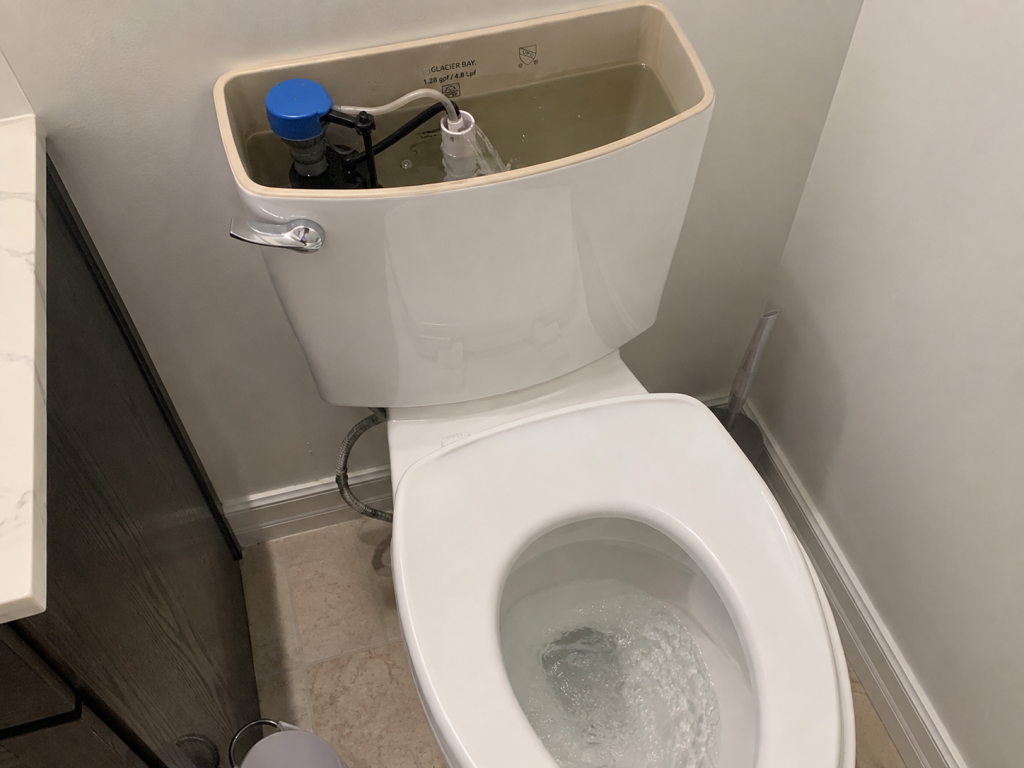
A toilet that runs for 30 seconds or a minute while the tank refills is usually normal.
However, if the toilet continues filling for several minutes, the fill valve may be struggling to shut off or water may be escaping through the flapper as quickly as the tank fills.
Slow refill times can also be caused by sediment or mineral buildup inside the fill valve, something we frequently encounter in Treasure Valley plumbing systems.
How much water does a running toilet waste?
A silent leak wastes 30 to 200 gallons per day. A more obvious, constant running toilet can waste over 6,000 gallons per month. That wasted water shows up directly on your water bill. For Treasure Valley homeowners, this adds unnecessary expense to every billing cycle.
Can a Running Toilet Increase My Water Bill?
Absolutely, in fact, one of the common increases for a water bil increase is a running toilet or plumbing fixture!
A toilet may look harmless because the water stays contained inside the fixture, but water continuously moving from the tank into the bowl eventually goes down the drain. Even a small leak can add up when it runs 24 hours a day. If your water bill suddenly increases and you cannot find an obvious leak around the house, checking your toilets is a smart place to start.
| Common Cause | Typical Lifespan | DIY Fix Difficulty |
|---|---|---|
| Worn flapper | 3-5 years | Easy (5 minutes) |
| Faulty fill valve | 5-7 years | Moderate (20 minutes) |
| Misadjusted float | N/A | Easy (2 minutes) |
Crossflow Plumbing sees these issues daily across Eagle, Meridian, and Boise homes. Our team was built to solve the problem of homeowners left waiting during plumbing emergencies. We fix the issue the right way the first time, preventing quick fixes that turn into bigger problems later.
What Causes a Toilet to Run Randomly?
A toilet that runs randomly usually means internal parts inside the tank are not sealing correctly. This allows water to leak into the bowl, which triggers the fill valve to turn on and off repeatedly. That on-and-off cycle creates the phantom flushing sound that drives up water bills.
Why Does My Toilet Randomly Run for a Few Seconds?
Does your bathroom suddenly sound like someone flushed the toilet even though nobody touched it?
This is commonly called phantom flushing.
Water slowly leaks from the tank into the bowl until the water level drops enough to activate the fill valve. The tank then refills for several seconds before shutting off again. The cycle may repeat every few minutes or every few hours depending on how quickly water is leaking.
Why Does My Toilet Keep Refilling Every Few Minutes?
If your toilet refills every few minutes, there is usually a slow leak between the tank and bowl.The flapper is the first component to inspect (don’t worry, if you need a toilet repair or a plumber, we will help you decide when that makes the most sense).
You may also have:
- Mineral buildup around the flush valve
- A cracked flapper
- A damaged flush valve seat
- An improperly sized replacement flapper
- A fill valve that cannot maintain the correct water level
The toilet may appear completely normal between refill cycles, which is why these leaks can go unnoticed for months.
Why Does the Flapper Fail to Seal?
The most common culprit is a flapper that has grown brittle over time. Mineral sediment from hard water can also form on the flapper or the tank opening, preventing a complete seal. When that seal breaks, water trickles into the bowl silently until the fill valve kicks in to refill the tank.
Can Hard Water Make My Toilet Keep Running?
Yes.
Hard water contains dissolved minerals that can accumulate on plumbing fixtures and internal toilet components over time.
Mineral buildup can prevent the flapper from sealing tightly, interfere with the float’s movement, and clog small passages inside the fill valve.
Replacing the flapper may temporarily solve the problem, but heavy mineral deposits elsewhere in the tank can cause the running to return.
What Parts Should Homeowners Check First?
- Flapper condition: Look for cracks, warping, or mineral crust
- Fill valve assembly: Listen for hissing or intermittent clicking
- Float height: An improperly adjusted float keeps water running
Crossflow Plumbing provides fast, honest plumbing services for homes across Eagle, Meridian, Boise, Nampa, and Star. Our team diagnoses these random-running issues quickly and replaces worn parts the same day.
Why Is My Toilet Hissing?
A hissing toilet usually points toward the fill valve.
The sound happens when water continues moving through the valve after the tank should already be full. Sometimes the valve simply needs an adjustment. Other times, sediment has entered the valve or the internal seal has worn out.
Check the water level inside the tank. If water is continuously flowing into the overflow tube, the float may be positioned too high or the fill valve may no longer be shutting off correctly.
Why Is Water Running Into the Toilet Overflow Tube?
The overflow tube prevents the toilet tank from overflowing onto your bathroom floor. If water continuously spills into it, the tank is filling higher than it should.
Possible causes include:
- The float being adjusted too high
- A stuck float
- A worn fill valve
- Improper fill valve installation
- Mineral buildup preventing the valve from closing
Adjusting the float may correct the water level. If the fill valve continues supplying water after the float reaches its shutoff position, replacing the valve may be necessary.
Why Does My Toilet Keep Running After Replacing the Flapper?
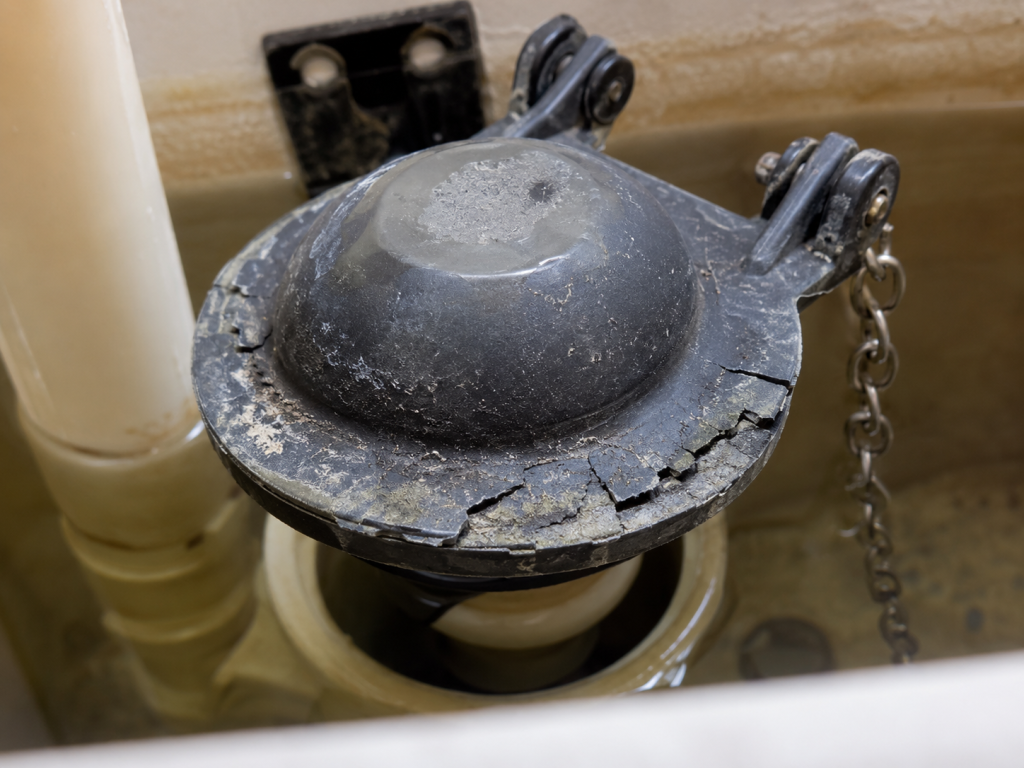
Replacing the flapper does not always solve a running toilet, but it is usually one of the common issues you can try to do on your own. If your new flapper still leaks, check whether it actually matches your toilet’s flush valve size and design.
You should also inspect:
- The flush valve seat for mineral deposits
- The chain length
- The fill valve
- The tank water level
- The overflow tube
- The flush valve itself
A damaged flush valve can continue leaking even with a brand-new flapper installed. This is one reason repeatedly replacing toilet parts without identifying the actual failure can become frustrating.
Can the Toilet Handle Cause a Toilet to Run?
Sometimes a toilet handle will cause your toilet to run! If the toilet handle sticks after flushing, it can hold the flapper slightly open.
Here is what to do: try flushing the toilet and watch whether the handle returns smoothly to its resting position.If you regularly have to jiggle the toilet handle to make the toilet stop running, something inside the tank needs adjustment. The handle arm may be binding, the chain may be too tight, or the flapper may not be seating properly.
Why Does Jiggling the Toilet Handle Stop It From Running?
Jiggling the handle temporarily changes the position of the lift chain and flapper, because that movement can allow a partially open flapper to finally drop into place and seal. While jiggling the handle might stop the sound, it does not fix the underlying issue. A properly functioning toilet should stop filling automatically after every flush without touching the handle again.
How Can I Tell If My Toilet Has a Silent Leak?
Not every leaking toilet makes noise, which is why you might need a reputable plumber in Eagle or Boise to help you. One simple way to check is to put a few drops of food coloring into the toilet tank and wait without flushing. If colored water appears in the bowl, water is leaking from the tank.
A silent leak often points toward the flapper or flush valve seal, and these leaks are especially easy to overlook because the toilet may otherwise flush normally.
Should I Turn Off the Water to a Running Toilet?
If your toilet will not stop running and you cannot immediately determine why, you can shut off the fixture’s water supply.
Look for the shutoff valve on the wall or floor behind the toilet and gently turn it clockwise.
This temporarily stops water from entering the tank.
Do not force an old or corroded shutoff valve. If the valve will not move or begins leaking when touched, contacting a plumber is the safer option.
Is a Running Toilet a Plumbing Emergency?
Most running toilets are not immediate emergencies, but they should not be ignored. A toilet that simply leaks internally can usually wait for a scheduled repair.
Call for faster plumbing help if:
- The toilet is overflowing
- Water is leaking onto the floor
- The shutoff valve will not work
- Multiple toilets are backing up
- Sewage is entering the bathroom
- The toilet will not stop filling
- You notice water damage around the toilet
An overflowing toilet or sewer backup is different from a routine running toilet and may require immediate plumbing attention.
How Can a Plumber Fix a Running Toilet?
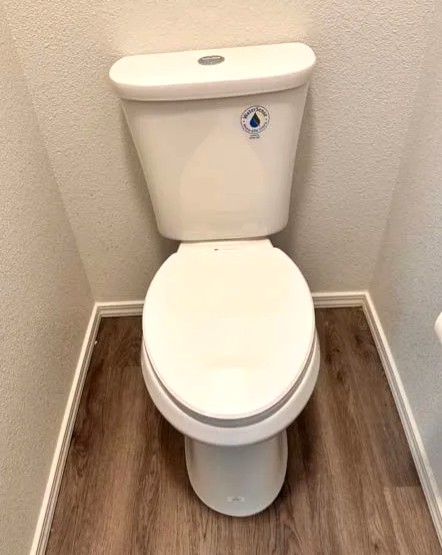
Most fixes for a running toilet are simple and take just a few minutes. A homeowner can often replace a worn flapper or adjust a float without any tools. But persistent problems, the kind that keep waking you up at night, need a professional plumber. Crossflow Plumbing approaches every running toilet repair with a simple goal: fix the problem the right way the first time.
What Makes a Professional Repair Different?
A plumber brings diagnostic tools and experience that a DIY kit cannot match. For Treasure Valley homes, hard water is a common culprit. Mineral buildup from hard water can corrode internal parts, causing the why is my toilet running question to return weeks after a simple fix. Our experienced plumbers diagnose these issues and provide solutions that protect your home long-term.
How Does Crossflow Plumbing Handle the Job?
We start with a full inspection of the tank mechanism, not just the flapper. The process typically includes:
- Checking the fill valve and float height for proper shutoff
- Inspecting the flapper seal and flush valve seat for mineral damage
- Testing for silent leaks that waste water without making noise
Clear, honest communication guides every step. We explain what is failing, why it failed, and how our repair prevents the same problem next year. Quality service and fair pricing remain our foundation, with fast response times for emergencies across Eagle, Meridian, and Boise.
Should I Repair or Replace a Toilet That Keeps Running?
A running toilet does not automatically mean you need a new toilet.
Flappers, fill valves, handles, and floats are replaceable parts. If the toilet itself is in good condition, repairing one of those components is often enough.
Replacement may make more sense when:
- The toilet is cracked
- Several internal components are failing
- The toilet frequently clogs in addition to running
- Repairs have become repetitive
- Water leaks around the base
- The toilet is older and inefficient
- You already planned to upgrade the bathroom
A plumber can help determine whether repairing the existing fixture or replacing it provides the better long-term value.
Why Is My Toilet Running and Not Filling Up?
A toilet that runs but struggles to refill can indicate a different problem. The flapper may be stuck open, allowing water to leave the tank almost as quickly as it enters.
Other possibilities include:
- A malfunctioning fill valve
- Low water pressure
- A partially closed toilet shutoff valve
- Debris inside the supply line
- A damaged float mechanism
If other fixtures around your home also seem weak, the issue may involve more than just the toilet.
Can Low Water Pressure Affect My Toilet?
Low water pressure generally does not cause the classic constantly running toilet problem, but it can cause slow tank refill times.
If you are also searching “low water pressure in house,” check whether faucets, showers, and other fixtures are experiencing the same problem.
Whole-home pressure issues can stem from the main shutoff valve, pressure regulator, supply piping, mineral buildup, or a hidden leak.
Why Does My Toilet Keep Clogging and Running?
A running toilet and a clogging toilet can be two separate problems occurring at the same time.
Running usually involves components inside the tank.
Repeated clogging can involve:
- Too much toilet paper
- Objects inside the toilet trap
- A restricted drain
- Sewer line problems
- An older low-performance toilet
If the toilet gurgles, drains slowly, or backs up along with nearby fixtures, the problem may extend farther into your drainage system.
Why Is My Toilet Bubbling or Gurgling?
A gurgling toilet is different from a running toilet.
Gurgling often means air is being displaced somewhere inside the drainage system.
If the toilet bubbles when you use a sink, shower, washing machine, or another toilet, there could be a drain or sewer line restriction.
That situation deserves more attention than simply replacing components inside the toilet tank.
Why Does My Bathroom Smell Like Sewer?
A running toilet itself typically does not create a sewer smell.
If you are wondering “why does my sink smell” or notice sewage odors around the toilet, another plumbing issue may be present.
Possible causes include:
- A dry drain trap
- A loose toilet seal
- Drain buildup
- Venting problems
- A sewer line issue
Sewer odors combined with bubbling drains or slow fixtures can be a warning sign of a larger drainage problem.
When Should I Call a Plumber for a Running Toilet?
You do not necessarily need a plumber the first time your toilet runs longer than expected. Instead, just be sure to check the flapper, chain, float, and water level first.
It is time to call a plumber like the team her at Crossflow Plumbing when:
- The toilet keeps running after basic adjustments
- You replaced the flapper and the problem returned
- The fill valve constantly hisses
- Water repeatedly enters the overflow tube
- The toilet randomly refills throughout the day
- The shutoff valve does not work
- Several toilet components are worn
- You see water leaking outside the toilet
- The toilet frequently clogs or gurgles
Persistent symptoms usually mean finding the actual cause will save more time than repeatedly replacing individual parts.
For homeowners in Eagle, Meridian, Boise, Nampa, and Star, Crossflow Plumbing can inspect the entire toilet assembly and identify exactly why the toilet keeps running before recommending a repair.